As wireless surveillance becomes more common worldwide, many homeowners, businesses, and project sites are shifting away from traditional wired systems. The demand for flexible, easy-to-install security solutions continues to rise, especially in remote areas and locations without stable power access. Among today’s top choices, the Solar Powered Security Camera and the Battery Powered Security Camera stand out for their convenience and versatility. Both options eliminate the need for hard-wired power lines, making them ideal for users who want fast setup, clean installations, and reliable monitoring without complicated electrical work.
However, while they share similar benefits, these two camera types operate very differently. Their power sources, maintenance needs, operating endurance, long-term cost, and ideal use cases vary greatly. Choosing the wrong one can result in unnecessary maintenance, unreliable uptime, or higher expenses over time.

This article breaks down the core differences between solar and battery-powered security cameras, explains how each works, and highlights their strengths and limitations based on real-world scenarios. By the end, you’ll know exactly which camera type fits your security needs—whether you’re managing a long-term outdoor project or simply looking for a quick, portable indoor solution.
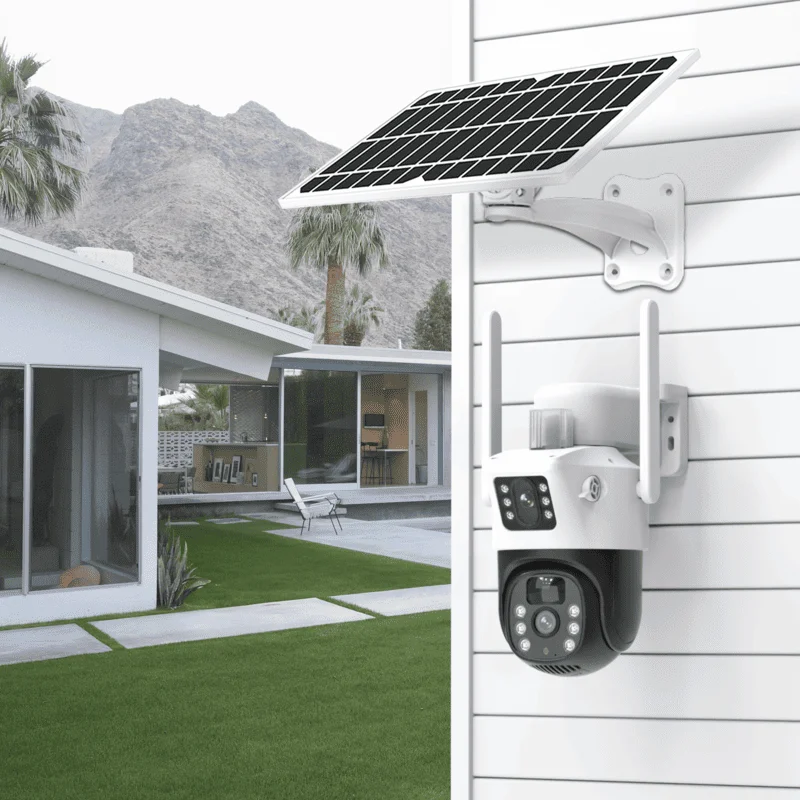
What Is Solar Powered Security Camera?
A solar powered security camera is a surveillance camera that runs on renewable energy. It draws power from solar panels. The camera stores that power in rechargeable batteries. You can monitor areas without needing an electrical outlet.
Core Components of Solar Powered Security Cameras
Solar Panel: Converts sunlight into direct current (DC) electricity. Modern solar panels offer an efficiency rate between 15% and 22%. This depends on the materials and construction.
Rechargeable Lithium Battery: Stores energy from the panel. Battery capacity is measured in watt-hours (Wh). This tells you how long the camera runs without sunlight. This matters for night-time or cloudy days.
Camera Unit: Features HD image sensors. Common resolutions include 1080p, 2K, and 4K. These deliver sharp video quality.
PIR Motion Sensor: Passive Infrared (PIR) sensors detect movement. They trigger the camera to record events. This helps conserve battery power.
Infrared Night Vision (IR LEDs): Lets the camera capture footage in total darkness. Many models include IR-cut filters. These switch between day (color) and night (black & white) modes automatically.
Processor and Firmware: Manages video processing, storage options, and compression. It also handles smart functions like cloud integration and real-time alerts.
Key Features and Real-World Advantages
Wireless Operation: No need for hard-wired power or network cables. Most cameras connect via Wi-Fi. Some use cellular networks. I recommend these for remote or rural sites.
Flexible Installation: You can mount these cameras almost anywhere. Driveways, farms, cabins, campsites, or new builds work well. Location isn’t restricted by the power source.
Efficient Recording Memory:
- Low-power models: Activate and record when motion is detected. This allows several months of operation on sunlight alone.
- High-end models: Equipped with larger batteries and 20–60W solar panels. These support 24/7 continuous recording. They work even through bad weather or extended cloudy days.
Remote Management: Access live feeds from anywhere. Change settings or receive alerts via smartphones and computers.
Advanced Storage Options: Offers local storage on microSD cards or cloud uploading. Premium devices often integrate with voice assistants (like Alexa and Google Assistant) and new standards (such as Matter).
Popular and Sustainable: According to Statista 2024, 45% of new home security installations now consider solar-powered cameras.(Aidot) People choose them for their convenience and green nature.
Cost & Environmental Benefits: Reduces reliance on grid power. This saves on electricity bills. You also use clean solar energy.
What Is Battery Powered Security Camera?
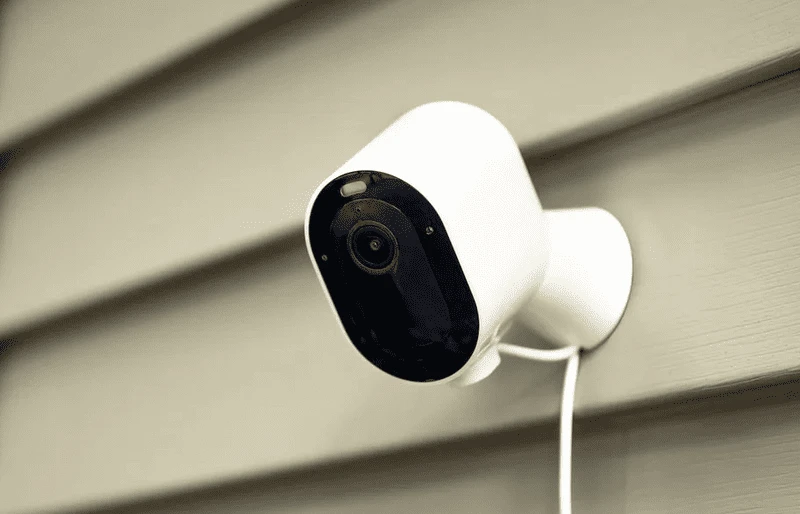
A battery powered security camera is a wireless surveillance device that runs on built-in batteries. It doesn’t need a fixed electrical connection. I recommend these cameras for areas without nearby outlets. They offer convenient and flexible setup options.
Key Features and Advantages
Wire-Free Setup: You don’t need power or network cables. Installation stays clean and simple. No exposed wires mean fewer tampering risks.
Simple, Fast Installation: Most models mount within minutes. Use screws, adhesives, or universal mounts. I suggest these for renters, DIY users, and temporary setups.
Portable Design: Move your camera from one spot to another as your needs change. Use them inside or outside, at home or work.
Reliable Battery Life: Top brands deliver 3–6 months on one charge. This depends on how often the camera records or sends alerts. Some models offer optional solar panels. These reduce how often you need to recharge.
Power-Outage Proof: Your camera works without interruption as long as the battery holds a charge. It keeps running even during blackouts.
Main Types of Battery Powered Security Cameras
Outdoor Models: These cameras handle harsh conditions. They feature solid weatherproofing (IP65+ rating). I use them for driveways, backyards, or exposed locations.
Wireless Doorbell Cameras: These are bulkier than wired versions. But they need no doorbell wiring. This makes them easy to retrofit.
Indoor Cameras: Place these in any room. They work even where outlets are unavailable or hard to reach.
Common Technical Features
Motion Detection & Smart Alerts: Cameras record on motion. This extends battery life. You can customize motion zones to reduce unwanted notifications.
Night Vision: Infrared LEDs provide clear video in complete darkness.
HD and 4K Resolution: Sharp image quality helps you recognize people, vehicles, or packages.
Two-Way Audio: Speak and listen through the camera. Alert an intruder or chat with your family members.
Remote App Control: Monitor live feeds from your phone or computer. Review footage and receive notifications instantly.
Storage Options:
- Local (MicroSD): Store footage with no mandatory subscription.
- Cloud: Optional plans offer remote access and backup.
Solar vs Battery Powered Security Cameras: Power Source, Installation, Maintenance, and Cost Compared
Power Source & Operating Time
Solar Powered: Uses sunlight to recharge internal batteries. It provides continuous, year-round power with enough sun exposure. These cameras support uninterrupted 24/7 operation. Large batteries back them up.
Battery Powered: Relies on rechargeable or replaceable batteries. Typical battery life is 1–4 weeks per charge. Usage and activity affect this. Running 24/7 drains batteries faster. You’ll need scheduled or limited surveillance windows.
Installation and Placement Flexibility
Battery Powered: Very portable with rapid, cable-free setup. Install in minutes. No solar panel positioning needed. I suggest this for temporary, short-term, or changing setups.
Solar Powered: Longer setup time is needed. Mount both the camera and the solar panel. Align panels for optimal sunlight. This can restrict placement flexibility. Shaded or indoor locations pose challenges.
Maintenance Requirements
Battery Powered: Requires frequent maintenance. Battery swaps or recharging might be needed multiple times a month in busy areas. Surveillance downtime increases if batteries aren’t changed on time. This creates risk.
Solar Powered: Minimal ongoing maintenance after installation. Clean solar panels occasionally. Check batteries now and then. This is the primary upkeep. The camera runs for months to years unattended in good conditions. Based on my experience, this saves you time and effort.
Cost Considerations
Battery Powered: Lower initial prices. But higher ongoing expenses add up. You’ll buy and replace batteries. Potential downtime during maintenance costs you too.
Solar Powered: More expensive up front. Solar panels and batteries cost more. But these costs are offset long-term. You save on electricity and lower maintenance needs. Multi-year monitoring projects show this benefit.
Environmental Impact
Solar Powered: Eco-friendly choice. It generates renewable energy. Reduces reliance on grid electricity and fossil fuels. Helps shrink your carbon footprint. I like that it aligns with sustainability goals and modern environmental standards.
Battery Powered: More convenient. But it may lead to increased battery waste. It lacks major sustainability benefits.
Best Use Cases
Battery Powered: Perfect for short-term zones and low-traffic areas. Construction sites need fast setup. Places where staff can maintain batteries work well too.
Solar Powered: Suited to long-term, remote, or high-security projects. Ideal for locations where grid power isn’t available. I recommend this for users who prioritize green technology.
Real-World Insights and Data
On construction sites and in remote, high-risk areas, solar-powered cameras maintain better uptime. I’ve seen this proven repeatedly.
Solar cameras can eliminate recurring energy costs and frequent maintenance expenses. This makes them cost-efficient for multi-year surveillance.
Battery cameras work best where flexibility and speed of deployment matter more than long-term sustainability or uninterrupted operation.
In summary: For reliable, eco-friendly, long-term monitoring, I recommend solar. For fast, portable, and short-term surveillance, battery cameras remain practical. The choice depends on your specific needs and priorities.
A comparison table for quick reference.
| Feature | Solar Powered Camera | Battery Powered Camera |
| Power Source | Solar + Battery Backup | Replaceable/Rechargeable Batteries |
| Installation | Requires sunlight exposure | Works anywhere |
| Maintenance | Low (self-charging) | Medium (battery replacement) |
| Operating Time | Continuous in sunny areas | Limited to battery life |
| Cost | Higher initial cost | Lower upfront cost |
| Eco-Friendliness | Renewable energy | Less sustainable |

Which Camera Type Performs Better: Solar Powered Security Camera vs Battery Powered Security Camera
When you compare solar powered security cameras and battery powered security cameras, looking at their power efficiency and reliability. These two factors help you make the right choice.
Power Efficiency and Reliability
Solar-powered cameras run 24/7 if sunlight is good. They offer strong power on their own. I find them very reliable for non-stop surveillance, live streaming, and real-time alerts. But their performance drops on cloudy or rainy days if panels work poorly or batteries are too small.
Battery-powered cameras last 1–4 weeks per charge. This depends on activity and settings. You need to replace batteries on time, or reliability drops. These cameras use motion-activated recording, not full-time video. This saves power.
Installation and Maintenance Comparison
Solar-powered security cameras need good solar panel placement and cable setup. This ensures the panels get enough sun. After setup, I suggest just cleaning panels a few times a year. Maintenance is low.
Battery-powered security cameras install anywhere with ease. You can put them indoors or in shade. Placement is flexible. But you must change batteries often and check them, especially in busy or large spots. This increases maintenance work.
Cost Comparison and Long-Term Value
Solar-powered models cost more at first. Panels and energy storage add to the price. Over time, they save money because sunlight is free. No electricity bills or battery purchases. Based on my experience, they pay for themselves within 6–18 months for long-term or remote security.
Battery-powered models are cheaper to buy. But you spend money on batteries and maintenance over time. Long-term or high-activity use adds up costs fast. You pay for batteries and the extra labor needed.
Suitability for Different Use Cases
I suggest solar powered security cameras for:
- Long-term, outdoor setups: construction sites, farms, parking lots, rural areas, and utility locations
- Remote or off-grid places with no power
- Large, open areas with full sunlight
Battery security cameras work best for:
- Short-term use or when you move cameras often
- Spots with poor sunlight (dense trees, shaded buildings)
- Temporary needs, such as rentals or short project sites
- Back-up or extra coverage where solar panels don’t fit
Choosing between a solar powered security camera and a battery powered security camera ultimately comes down to how you plan to use them. Solar models deliver long-term sustainability, uninterrupted power, and highly reliable performance in outdoor or remote environments. They work especially well for users who need continuous operation without frequent maintenance. Battery-powered cameras, on the other hand, offer convenience, portability, and fast setup. Their flexibility makes them ideal for shaded areas, temporary installations, or locations where the camera position changes often.
Both options have clear advantages, and the best choice depends entirely on your specific surveillance scenario—whether you prioritize nonstop uptime or quick, versatile placement. Understanding your site conditions, power availability, and monitoring requirements will point you toward the most efficient solution.
At iCSeecam, we design and customize both solar powered and battery powered security cameras for brands and distributors worldwide. If you’re exploring OEM or fully customized surveillance solutions, our team can help you build the right system for your project. Contact us to find the best solution for your surveillance business.