Security cameras have become essential for homes, businesses, farms, construction sites, and remote properties. When choosing between solar security cameras and wired security cameras, the differences extend far beyond power sources. Each system comes with advantages suited for particular environments, budgets, and security goals. As a solar security camera manufacturer, this guide presents a complete, practical, and data-backed comparison based on your original content.
Solar Security Cameras – Pros
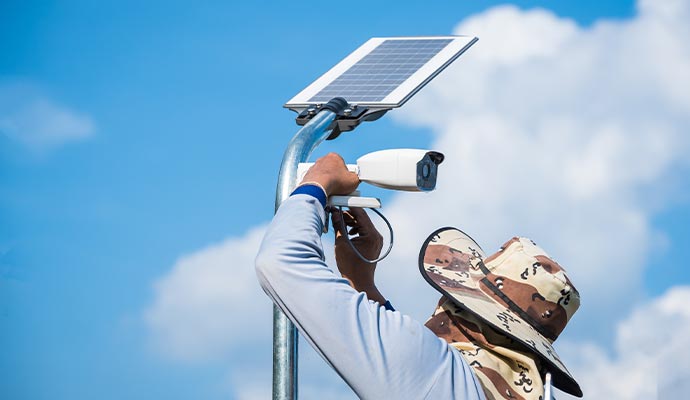

Solar powered security cameras offer a strong combination of financial, operational, environmental, and installation advantages. These benefits make solar security cameras especially appealing for residential properties, off-grid locations, farms, construction sites, and any area where traditional wiring is difficult or expensive to install.
Cost Savings and Long-Term Value
Solar wireless security cameras provide meaningful and measurable cost savings over time. Traditional wired security cameras typically consume around 10 kWh of electricity per day, which equals roughly $475 in annual electricity usage per camera based on an average rate of $0.13/kWh. Because solar security cameras run entirely on renewable energy, this cost disappears completely.
Installation expenses also decrease by up to 87%, since solar models require no trenching, cabling, or professional electrical labor. Most users reach the break-even point within two to three years, after which the system generates consistent long-term savings.
Insurance companies increasingly recognize the loss-prevention value of visible security cameras and may offer premium reductions ranging from $300 to $6,000 per year, depending on the type of property and risk level. With the global solar security camera market projected to reach $8.76 billion by 2033 at a 10.52% annual growth rate, it’s clear that the financial advantages are driving widespread adoption.
Installation Freedom and Placement Flexibility
One of the biggest advantages of solar powered wireless security cameras is their flexibility. Because they do not require electrical wiring or professional installation, a single person can typically mount them within minutes using only basic tools. No permits, no rewiring, and no construction-related disruptions are needed.
This installation freedom makes solar-powered security cameras ideal for:
- Remote farm gates and rural property lines
- Construction sites and temporary project areas
- Ranch boundaries and large agricultural fields
- Detached garages, sheds, workshops, and outbuildings
- Long driveways or backyards with no nearby power supply
As long as sunlight is available, the camera can operate reliably, opening coverage options that traditional wired security cameras simply cannot match.
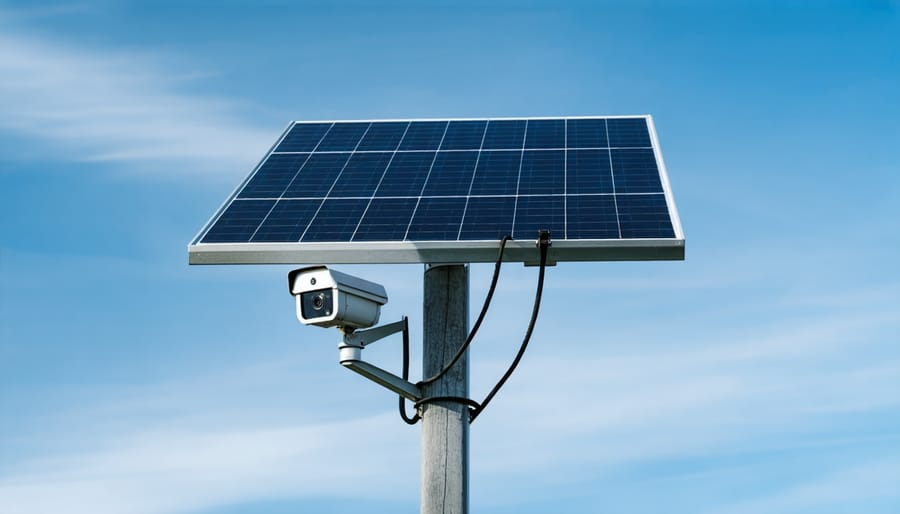
Uninterrupted 24/7 Surveillance Capability
Outdoor wireless security cameras are designed for continuous operation through an efficient day-night energy cycle. During the day, the solar panel captures and stores energy in a rechargeable battery. At night, the camera draws from this stored power to operate night vision and recording functions.
This grid independence becomes especially valuable during power outages, when criminal activity often increases. While wired cameras typically shut down unless paired with a backup power system, solar-powered cameras continue operating uninterrupted. Modern lithium batteries allow the cameras to stay active even through periods of limited sunlight, maintaining reliable 24/7 surveillance.
Crime Deterrence and Smart Detection Features
Visible security cameras have been shown to reduce theft by up to 50%. best solar security camera enhances this deterrent effect with smart technology that includes:
- AI-powered motion detection
- Person, vehicle, and animal differentiation
- High-definition night vision
- Real-time mobile alerts
- Two-way audio communication
- Cloud or local storage options
These features not only help deter criminal activity but also improve incident response and evidence collection. Even if the device is damaged, recorded footage stored in the cloud remains accessible, strengthening insurance claims and legal documentation.
Environmental Responsibility and Low Operational Impact
Solar-powered security cameras offer meaningful environmental benefits by reducing carbon emissions. Each camera can prevent hundreds of kilograms of CO₂ from being produced annually by replacing grid electricity with clean solar energy. Businesses and organizations focused on sustainability can use solar surveillance systems to align security operations with environmental goals.
In addition, solar-powered cameras require minimal ongoing maintenance. No fuel, generators, or utility coordination is necessary. Aside from routine cleaning of the solar panel and occasional battery checks, these systems remain low-maintenance and cost-efficient throughout their lifespan.
Solar Security Cameras – Cons

Although solar security cameras offer strong advantages, they also come with certain limitations related to climate, installation environment, battery performance, and connectivity. Understanding these drawbacks is essential when deciding whether solar-powered models are the best fit for your property.
Higher Upfront Investment
Wireless solar security cameras light typically cost 60 to 120 percent more than wired models because each unit includes a solar panel, high-capacity lithium battery, weather-sealed components, and onboard power management systems. For multi-camera installations, this price gap becomes even more noticeable.
While long-term savings often offset the initial expense, the upfront investment can still be difficult for homeowners, small businesses, or budget-limited projects.
Weather and Sunlight Dependency
Solar powered CCTV security cameras rely heavily on consistent sunlight. Most models require 4–6 hours of direct sun per day to maintain full functionality.
Cloudy, rainy, or winter-heavy climates—such as Seattle, Portland, Buffalo, Pittsburgh, and Anchorage—significantly limit solar energy production, causing cameras to enter power-saving modes. When this happens, night vision clarity may drop, motion detection becomes less accurate, and total recording hours decrease.
In contrast, sunny regions like Arizona, Florida, Nevada, and Southern California allow solar cameras to perform reliably year-round.
Placement Restrictions
Because wireless solar security cameras must receive adequate sunlight, placement options are more limited compared to wired systems. Cameras cannot be installed:
- Under the roof eaves
- On shaded patios
- Near trees or tall structures
- Indoors or in covered locations
Even partial shading during the day can reduce charging efficiency by 30–50 percent. This means users may need to prioritize sunlight exposure over ideal viewing angles, which can compromise the camera’s field of view.
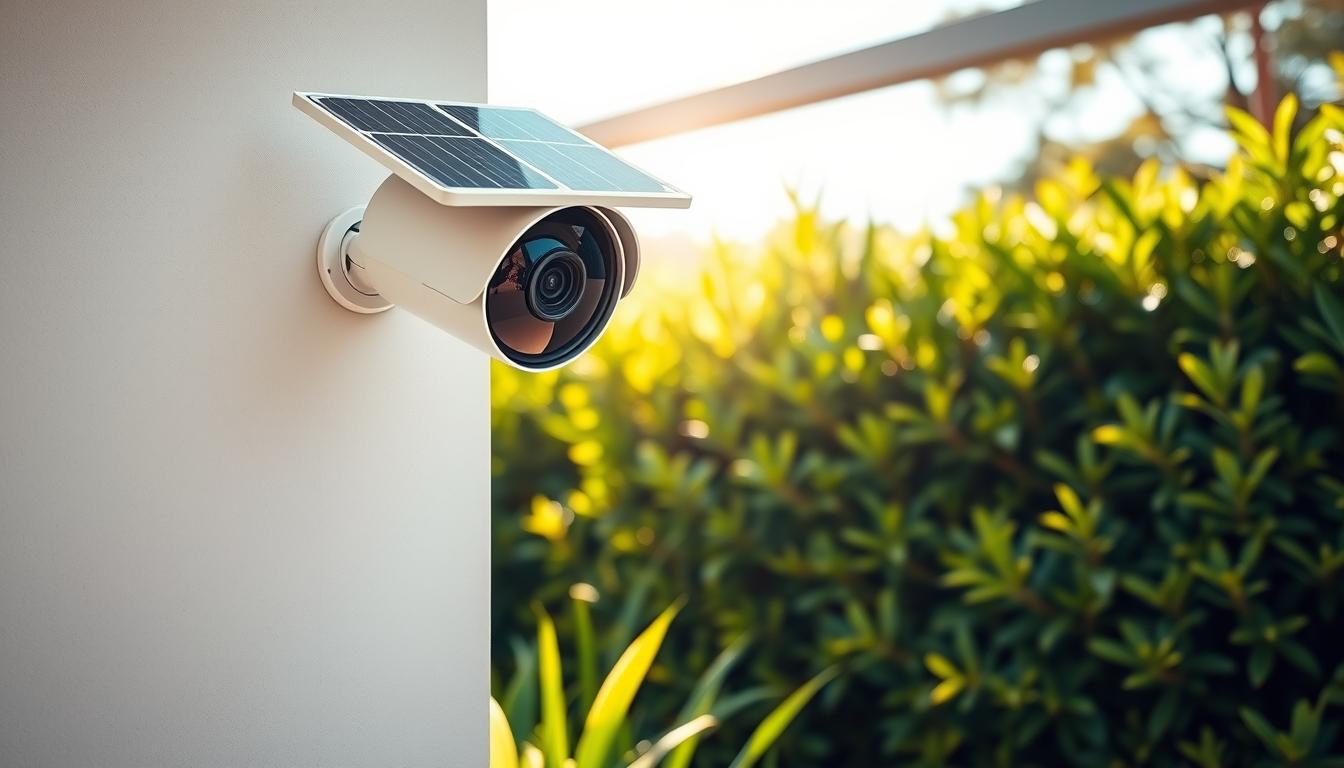
Power-Hungry Feature Limitations
Advanced features such as infrared night vision, AI motion detection, and floodlights can quickly drain battery capacity. During multiple cloudy days, the solar panel may not recharge the battery fully.
To preserve essential functions, outdoor solar powered security cameras may automatically:
- Lower the video resolution
- Reduce frame rates
- Disable floodlights or enhanced night vision
- Limit motion-triggered recording durations
Wired security camera systems do not face these restrictions because they draw uninterrupted power from the grid.
Battery Replacement and Maintenance Needs
Lithium batteries inside solar-powered security cameras typically last 2–4 years before their capacity declines. Replacement batteries cost $40–$80 per unit, meaning recurring expenses for multi-camera projects.
Maintenance is also higher than many expect. Solar panels require cleaning every 4–8 weeks to remove dust, pollen, or bird droppings that reduce charging efficiency. Wireless systems must also receive firmware updates to prevent cybersecurity risks.
Wi-Fi Range and Signal Limitations
Most solar wifi security cameras rely on Wi-Fi, which introduces additional constraints. Cameras must remain within 100–150 feet of the router, depending on building materials and interference.
On large, remote, or multi-structure properties, weak Wi-Fi signals can cause:
- Delayed notifications
- Missing footage
- Lower video quality
- Connection drops during recording
Areas without reliable internet access also limit cloud storage, remote viewing, and smart alert capabilities.
Wired Security Cameras – Pros
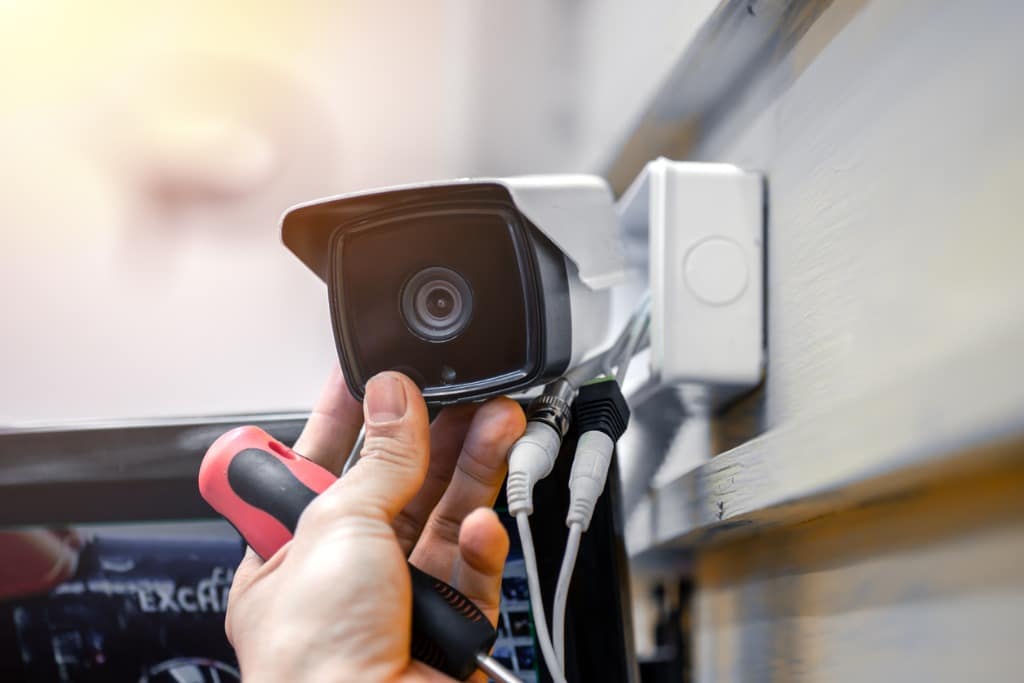
Wired security cameras have long been the preferred choice for professional and commercial surveillance. They offer superior reliability, consistent video quality, and long-term performance that wireless or solar options cannot always match. For businesses, warehouses, and high-security sites, wired security cameras remain a dependable foundation for large-scale monitoring.
Superior Video Quality and Bandwidth Capacity
Wired security cameras support high-resolution video formats such as 1080p, 4MP, 5MP, and 4K. Because these systems transmit full-bitrate video directly through cables, the footage remains uncompressed. This ensures clear identification of faces, license plates, and small details—crucial for evidence collection and forensic review.
PoE and HD-over-coax systems also avoid Wi-Fi congestion. They deliver stable throughput that does not fluctuate with network traffic from other household or business devices. With centralized NVRs capable of storing 50 TB or more, wired systems can record weeks of continuous footage from multiple security cameras—something wireless systems cannot match.
Reliable 24/7 Operation and Constant Power
Wired security cameras maintain 99%+ uptime when properly installed. Because power and data both travel through the cable, there are no battery limitations, charging cycles, or weather-related power issues to manage.
This reliability is especially important for incident investigations. Wired systems provide continuous, gap-free recording, ensuring that motion events, pre-event context, and multi-angle footage are always captured without interruptions—even during high-traffic periods or long-duration monitoring sessions.
Extended Coverage for Large Properties
PoE cabling supports runs up to 100 meters (328 feet) per cable, while coaxial installations can extend 500–1,000 feet. This makes wired security cameras ideal for:
- Warehouses and industrial facilities
- Large parking lots
- Agricultural properties
- Multi-building commercial sites
Unlike wireless or solar-powered security cameras, which depend on Wi-Fi range and signal strength, wired systems can be placed wherever cabling can reach—providing stable, long-distance surveillance without boosters or extenders.

Enhanced Cybersecurity
Wired security cameras operate on closed, physically isolated networks that are not exposed to typical Wi-Fi-based cyberattacks. VLAN or LAN segmentation prevents unauthorized access from external networks, reducing risks associated with:
- Weak Wi-Fi passwords
- Rogue access points
- Firmware vulnerabilities
- Deauthentication attacks
For businesses with compliance requirements or strict data-protection policies, wired security camera systems offer a more secure and controllable surveillance infrastructure.
Lower Long-Term Cost for Multi-Camera Systems
Although wired security cameras require more labor during installation, they provide long-term financial advantages. They eliminate:
- Battery replacement costs
- Cloud-storage subscription fees
- Wi-Fi extenders or mesh networks
- Performance losses caused by poor signal strength
For properties running eight or more security cameras, wired systems often cost less over five years compared to wireless alternatives. Centralized NVR storage, stable power delivery, and low maintenance make wired cameras a cost-effective choice for long-term, high-coverage surveillance.
Wired Security Cameras – Cons

While wired security cameras offer excellent performance, they also come with notable limitations, especially related to installation, cost, and long-term flexibility. Understanding these drawbacks helps users compare them more realistically against modern solar security camera systems.
Complex and Disruptive Installation
Installing wired security cameras is typically a labor-intensive process. Professional installers often need to drill through walls, run cables across ceilings, install conduit, and patch surfaces afterward. A standard home installation may take four to sixteen hours, while commercial setups with multiple security cameras can require forty hours or more.
Because labor accounts for 40–60 percent of total project cost, wired camera systems are less practical for rental properties, leased offices, or temporary installations. Any building where drilling is restricted becomes especially challenging for wired surveillance deployment.
Higher Initial Cost and Limited Expandability
Wired security cameras require structured cabling, stable power access, and—sometimes—electrical upgrades. When you need to add more cameras, expansion becomes costly because each new device requires running additional cables. In many cases, users must also upgrade to a larger NVR system to support more channels.
Compared with simply adding a wireless or solar-powered security camera, scaling a wired system is far more complex, expensive, and time-consuming.
Lack of Flexibility After Installation
Once wired security cameras are installed, repositioning them is difficult. Moving a single camera often requires re-routing cables, drilling new holes, and repairing old ones. For leased buildings, modifications may be prohibited entirely. When a business relocates, most of the installed cabling typically remains behind, resulting in wasted infrastructure and new installation costs at the next location.
This lack of portability makes wired systems poorly suited for dynamic environments such as construction sites, pop-up retail locations, or expanding facilities.
Physical Vulnerabilities and Power Dependency
Despite being physically secure in some areas, wired systems have their own vulnerability points. A single cable cut can disable an entire camera instantly. Outdoor wiring is exposed to risks such as vandalism, weather damage, animals, and corrosion—issues that solar security cameras avoid.
Wired security cameras also depend entirely on grid power. During electrical outages, they stop functioning unless a UPS or generator is installed. This adds more cost and maintenance, especially for properties that require uninterrupted surveillance.
Choosing Between Solar and Wired Security Cameras
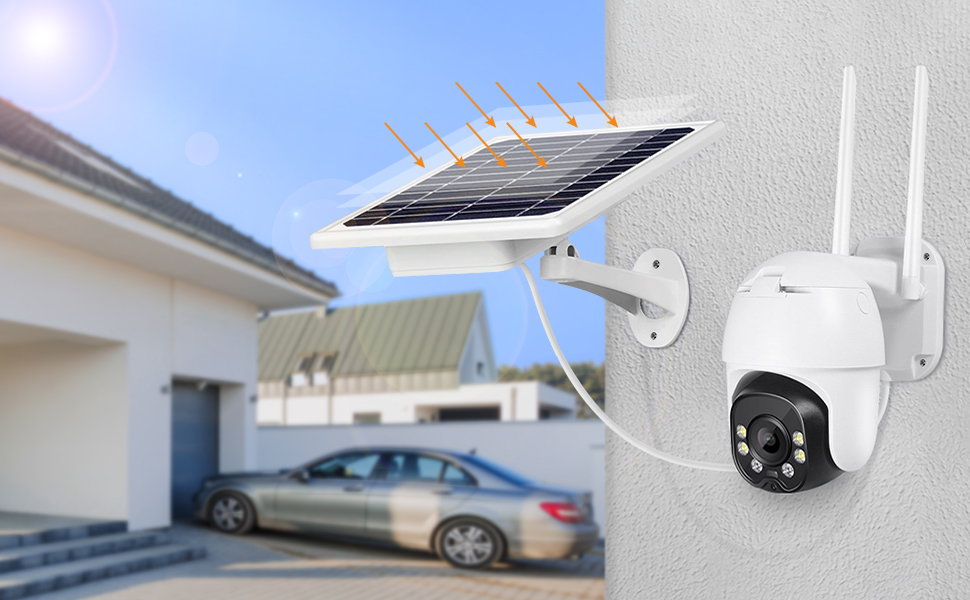
Solar and wired security cameras both serve distinct purposes. The right choice depends on property type, budget, location, and long-term surveillance requirements.
Choose solar security cameras if you need:
- Monitoring in remote, rural, or off-grid areas
- Quick installation without construction or electrical work
- Lower long-term operating costs
- Maximum placement flexibility outdoors
- Environmentally sustainable surveillance solutions
Choose wired security cameras if you need:
- The highest video quality and bandwidth consistency
- Reliable 24/7 recording with no power interruptions
- Coverage for large commercial or industrial sites
- Strong cybersecurity and closed-network protection
- Long cable runs or dense multi-camera infrastructures
Conclusion and Contact Us
Both solar and wired security cameras offer meaningful strengths when used in the right environment. Solar-powered cameras deliver unmatched flexibility, fast installation, and long-term savings—ideal for remote properties, farms, construction sites, or areas without stable grid access. Wired security cameras remain the top choice for commercial facilities that require maximum image quality, continuous uptime, and hardened network security.
As a professional solar security camera manufacturer, we help property owners, distributors, and project contractors choose the best system based on climate conditions, installation constraints, and surveillance objectives. Whether you need fully off-grid solar cameras, hybrid configurations, or OEM/ODM manufacturing support, our technical team is ready to assist.
Contact us today for personalized recommendations, engineering guidance, or bulk pricing for high-performance solar-powered security camera systems.